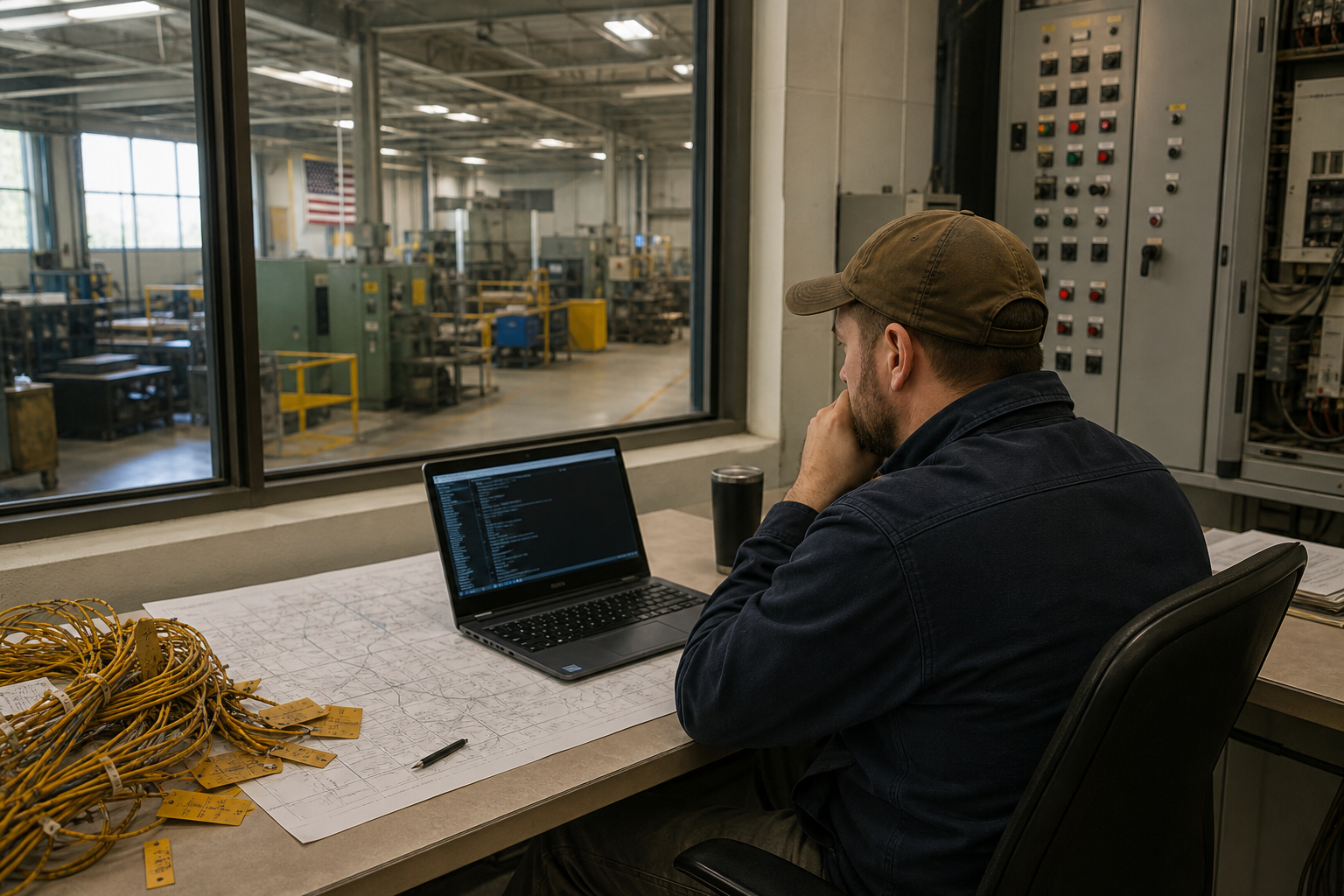
A — Manufacturing support route map
Context: Windows-based support staff reached Linux systems across separate plant zones. Session names reflected individual habits, and gateway ownership was unclear.
Work: The team inventoried destinations, separated standard SSH access from exceptional legacy needs, documented gateway ownership, and created a session naming ledger.
Result: Operators gained a shared escalation path and a route record that could be reviewed after network changes. No universal security or compliance claim was made.
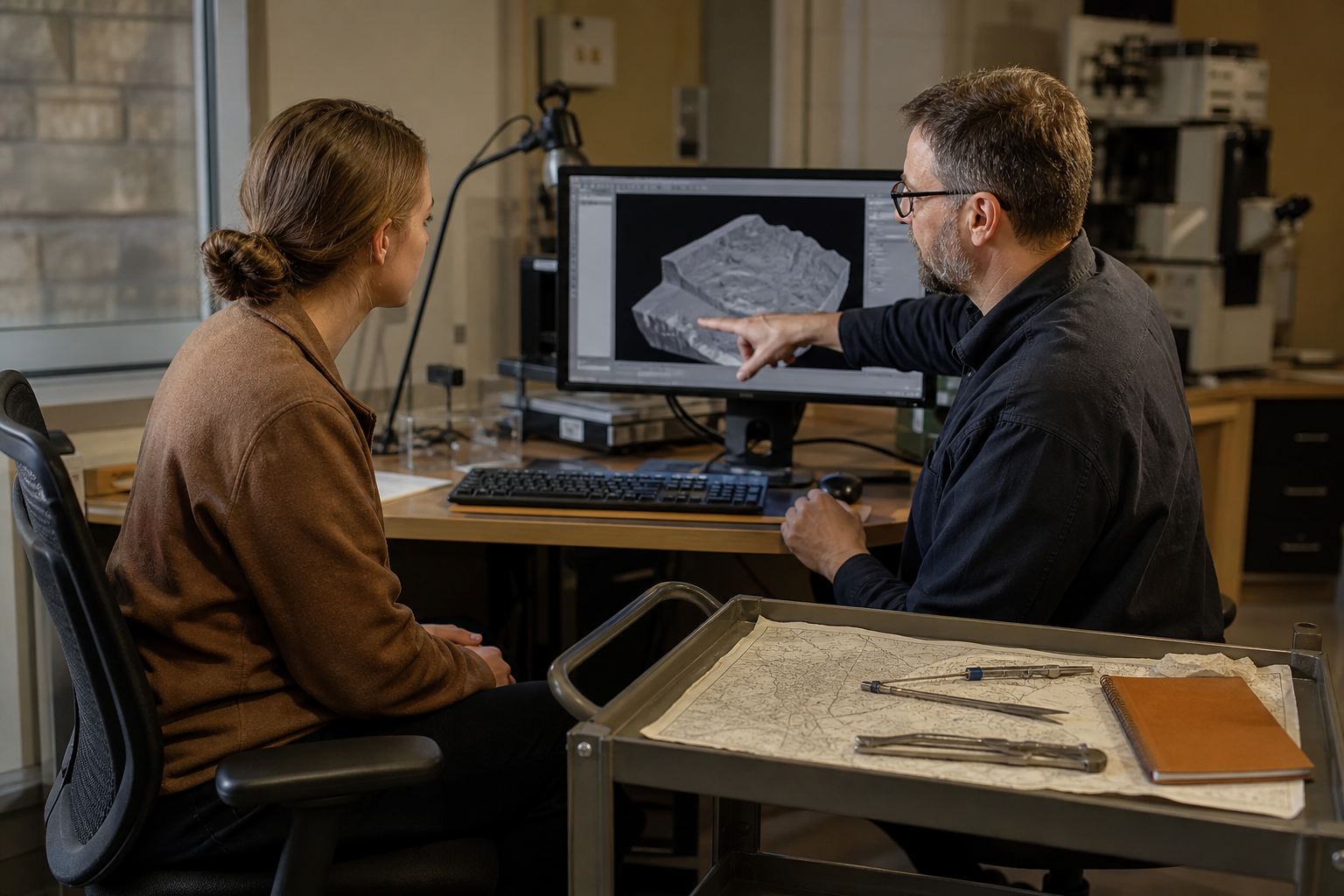
B — Research computing display path
Context: Researchers used remote Linux graphical applications from Windows workstations but troubleshooting crossed desktop, SSH, cluster, and application teams.
Work: We traced the full display path, recorded representative applications, separated connectivity checks from graphics behavior, and drafted a triage sequence.
Result: The support desk could route incidents to the right owner earlier, while researchers received a clearer preflight checklist.
These cases illustrate process, not promised outcomes. Every environment, authorization model, and application mix differs.